Why You Should Travel to India in 2026: A Complete, Honest Guide
Hey, if you've been staring at your screen half-planning a big trip and wondering if India should make the cut for 2026, you're definitely not alone. Scroll through Instagram travel accounts or check the latest tourism reports - everyone's talking about India again. People aren't just doing the quick Taj Mahal photo stop anymore. They're staying longer in homestays, joining local festivals, booking eco-friendly safaris, and building whole trips around yoga retreats or street food crawls.
Here's the best part though - India's gotten way easier to travel around. Those old 6-hour drives between cities? Now they're 2-3 hours on new highways. Regional airports are popping up everywhere, domestic flights are cheaper than ever, and they've connected all the tourist hotspots with proper circuits. You can easily do Rajasthan one week, Kerala backwaters the next, and still have time for a Himalayan hill station.
In this guide, I'm gonna walk you through exactly why India deserves a spot on your 2026 travel list - the forts and palaces, insane variety of landscapes, tiger safaris that feel straight out of a movie, spiritual spots that hit different, food that'll ruin you for life, plus all the practical stuff like budgets, safety tips, and what actually works for first-timers. Think of me as that friend who's been there five times and wants you to get it right - the magic moments AND how to handle the chaos.

India in 2026: What’s Changed and What Hasn’t
Let’s start with the big picture. Over the last few years, India’s tourism story has shifted from simple recovery to full‑on reinvention. Tourism is growing strongly again, thanks to better connectivity, more regional airports, cleaner stations and new routes that link classic sights with lesser‑known destinations.
The more interesting change is how people are travelling. Instead of flying in for a fast Golden Triangle loop and flying out, travellers are spreading out—to the Northeast for culture and nature, to Kerala for wellness “glow‑cations,” to Spiti and the Indian Himalayas for astro‑travel and high‑altitude landscapes, and to spiritual circuits like Varanasi and Somnath for deeper experiences.
Key travel trends shaping India in 2026
- More culturally immersive and spiritually rooted trips, especially to Varanasi, Somnath, Rishikesh and the Himalayan belt.
- A big push toward experiential and sustainable travel, with themed routes like Buddhist, coastal and tribal circuits getting more attention.
- Domestic exploration booming, as many Indian travellers choose to explore their own country instead of going abroad.
- A strong focus on wellness, yoga, Ayurveda and “inward” journeys—Kerala, Uttarakhand, Goa and the Himalayas are hot spots for retreats and detox breaks.
- Rising interest in offbeat places like Spiti Valley, Jorhat–Majuli, the Northeast and smaller coastal or rural regions.
All of this means that India in 2026 is not just about ticking boxes; it’s about picking your own theme—history, spirituality, wildlife, food, or wellness—and building a trip that actually fits your personality.
Reason 1: Mind‑Blowing Diversity in One Country
If there’s one phrase that keeps coming up when people talk about India, it’s “unmatched diversity.” And honestly, that’s not just marketing language. You could be in the middle of Delhi traffic one day, staring at a line of metro trains cutting through the skyline, and looking at snow‑capped peaks in Himachal a day later, then floating on a Kerala houseboat the week after. It feels like hopping between multiple countries without ever crossing a border.
When travel writers say “one country, thousands of cultures, landscapes and cuisines,” this is what they mean. You’re dealing with dozens of languages, hundreds of regional dishes, wildly different traditional clothes, and landscapes that jump from desert to rainforest to mangrove to mountain within a single month‑long trip.
Every region really does feel like a different world
- North India: Forts, palaces, old bazaars, the Golden Triangle (Delhi–Agra–Jaipur), Sikh shrines in Amritsar and Himalayan hill stations like Shimla and Manali.
- South India: Temple towns, coconut‑lined beaches, backwaters, coffee estates and tech cities like Bengaluru and Hyderabad.
- East & Northeast: Tea plantations in Assam, monasteries and lakes in Sikkim, living root bridges and waterfalls in Meghalaya, and unique tribal cultures and festivals.
- West India: Mumbai’s skyline and sea face, Goa’s beaches and nightlife, Rajasthan’s deserts and royal cities, Gujarat’s salt flats and coastal temples.
The fun part is how easily you can combine completely different experiences in one itinerary—think Taj Mahal plus tiger safaris plus desert camping plus Goa sunsets, all inside two weeks if you plan it well.
Reason 2: History & Architecture That Still Feel Alive
If you enjoy history even a little bit, India is unreal. This is a place where you can go from a Mughal tomb to a stepwell, then end the day in a palace that now happens to be your hotel. The country is packed with UNESCO World Heritage Sites and lesser‑known gems that still stop you in your tracks the moment you walk through the gates.
What makes Indian heritage special is how alive it feels. You’re not just staring at ruins from behind ropes; you’re walking through courtyards, climbing towers, watching families take selfies, and sometimes listening to evening aarti or light‑and‑sound shows inside the same walls that once saw royal ceremonies or battles.
Iconic sites that deserve the hype
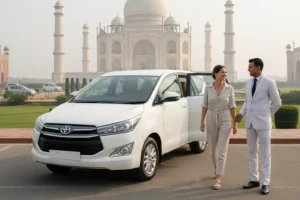
- Taj Mahal, Agra: One of the world’s most recognised monuments and still the face of India for many travellers. Sunrise visits, reflections in the long pool, and the detail in the marble work never really get old.
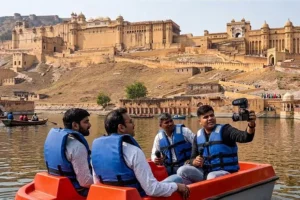
- Jaipur & Rajasthan forts: Amer Fort, City Palace, Hawa Mahal, Mehrangarh in Jodhpur, Jaisalmer Fort and Udaipur’s palaces show you different flavours of Rajput and Mughal architecture.
- Hampi & South Indian temples: The boulder‑strewn ruins of Hampi and towering temple gateways in Tamil Nadu can easily fill a photographer’s memory card in a single afternoon.
- Ajanta & Ellora Caves: Rock‑cut caves with detailed carvings and paintings that still feel powerful centuries later.
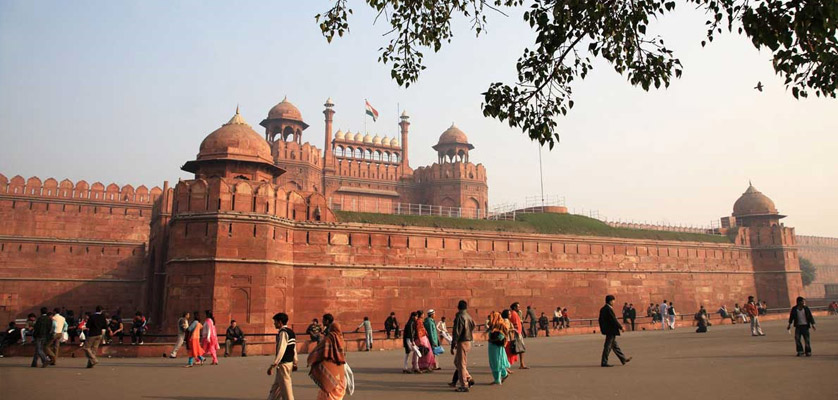
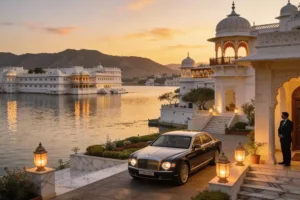
Many premium itineraries now weave in “heritage stays,” where you sleep in restored havelis or palaces, wander through old courtyards in the evening and wake up to birds and filtered sunlight over carved balconies. It’s tourism, yes, but it’s also a genuinely atmospheric way to touch the past without feeling like you’re just watching from a distance.
How to enjoy heritage without burning out
- Pick a handful of major monuments instead of trying to see everything—quality beats quantity every time.
- Book at least one night in a heritage property in cities like Jaipur, Udaipur, Jodhpur or in smaller Rajasthani towns.
- Visit early morning or late afternoon to avoid heat and crowds and to enjoy softer light for photography.
- Use local guides selectively—one good storyteller can unlock an entire site in an hour.
Reason 3: Nature From Himalayas to Backwaters
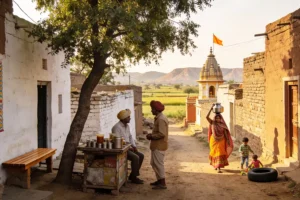
When people think of India, they often picture busy streets first. But move away from the traffic, and you find an entirely different side: snow‑covered mountains, still lakes, thick jungles, sand dunes, tea gardens, waterfalls and quiet village roads where life moves slowly and you finally breathe deeper.
In 2026, mountain regions like the Indian Himalayas are trending globally, with travellers choosing them for both classic treks and newer experiences like astro‑tourism and slow hill‑station living. At the other end of the map, Kerala’s backwaters keep drawing those who want nothing more than to float, eat, nap and repeat.
Major natural regions to consider
- Indian Himalayas: Himachal, Uttarakhand, Kashmir, Ladakh and Sikkim offer everything from gentle hikes and lakeside walks to high‑altitude road trips and ski slopes in winter.
- Backwaters & lagoons: Kerala’s Alleppey and Kumarakom remain classic destinations for houseboats, canals and slow travel with coconut trees on both sides.
- Beaches: Goa, Varkala, Gokarna and the Andaman Islands give you the choice between lively shacks with music and almost empty stretches with just waves and wind.
- Deserts: The Thar Desert around Jaisalmer and Jodhpur offers dunes, camel rides, campfires and clear night skies, especially in the cooler months.
- Tea & spice hills: Munnar, Coorg, Darjeeling, Assam and the Nilgiris bring rolling green plantations, misty mornings and a laid‑back, old‑world feel.
Nature vs city: what fits your style?
| Experience Type | Best For | Example Destinations | Overall Vibe |
|---|---|---|---|
| Cultural Cities | Food, markets, monuments | Delhi, Jaipur, Mumbai, Kolkata | Fast‑paced, colourful, intense |
| Himalayan Hills | Trekking, views, cool weather | Manali, Dharamshala, Rishikesh, Auli | Relaxed, scenic, adventurous |
| Deserts | Culture, music, starry skies | Jaisalmer, Jodhpur region | Rustic, magical, slightly rugged |
| Backwaters | Slow travel, romance, wellness | Alleppey, Kumarakom | Quiet, reflective, chilled |
| Beaches | Chill time, parties, watersports | Goa, Varkala, Gokarna, Andamans | Laid‑back, social, sunset‑heavy |
You don’t have to choose just one. Many of the most satisfying India trips mix a few days of city energy with a chunk of calm in the mountains, by the sea or on the backwaters, so your senses get variety and your body gets a break.
Reason 4: Safaris, Wildlife & The Tiger Moment
If you’ve ever dreamed of seeing a tiger in the wild, India is probably the landscape your imagination secretly uses—the dusty track, the early morning mist, the deer suddenly going silent. The country has some of the best‑known tiger reserves on the planet, and safari tourism has bounced back strongly with a clearer focus on responsible travel.
Parks like Ranthambore, Jim Corbett, Bandhavgarh, Kanha, Pench and Kaziranga continue to draw wildlife lovers from all over the world. Even people who don’t usually think of themselves as “safari people” find that the combination of forests, old ruins, birds, monkeys and the possibility of a big‑cat sighting is deeply addictive.
What a typical tiger safari feels like
- You wake up long before sunrise, pull on a warm layer and climb into an open jeep with a naturalist guide and a handful of other sleepy but excited travellers.
- The forest slowly moves from grey to green as birds wake up, deer graze at the edges of meadows and langurs shout the first alarm calls from trees.
- Your guide points to fresh pugmarks in the dust and everyone instinctively goes quiet, listening for the slightest rustle or call.
- Sometimes you get the big “wow” moment—a tiger or leopard stepping onto the track, looking right through the jeep, then melting back into the forest. Sometimes you don’t. Either way, the feeling of being in that landscape stays with you.
Many lodges around these parks are also changing how they operate—using more local staff, investing in conservation education, supporting nearby villages and encouraging guests to think beyond just “Did I see a tiger?” when they talk about their trip.
Tips for planning a safari in India
- Book park permits early, especially for popular reserves and peak season dates.
- Plan at least two or three safaris; sightings are never guaranteed, and each drive shows a different side of the forest.
- Pick lodges and operators that talk openly about responsible tourism and community support.
- Stay quiet in the vehicle, never feed wildlife, and follow your guide’s instructions—both for your safety and for the animals’ sake.

Reason 5: Spirituality, Wellness & Inner Travel
Even if you don’t label yourself as a spiritual person, it’s hard not to feel something shift in certain parts of India. For many visitors, the country’s deeper pull has less to do with monuments and more to do with moments—the sound of morning aarti echoing over the Ganges, the quiet focus inside a meditation hall, or the feeling of sitting under a Himalayan sky far from your usual routine.
Spiritual tourism and wellness travel are huge drivers for India in 2026. Cities like Varanasi, Haridwar, Rishikesh and Somnath have become symbols of journeys that are as much inward as outward, while states like Kerala and Uttarakhand are known globally for Ayurveda and yoga retreats.
Where spirituality and travel meet
- Varanasi: One of the world’s oldest living cities, where daily life, death rituals and devotion all share the same riverfront ghats.
- Rishikesh & Haridwar: A mix of yoga schools, suspension bridges, Ganga aarti, riverside cafes and short hikes into the hills.
- Somnath & coastal temples: Part of larger spiritual circuits along Gujarat’s coast, combining sea views with sacred sites.
- Kerala & Uttarakhand retreats: Ayurveda centres and wellness resorts that offer structured programs for detox, healing and rest.

Government‑backed circuits and private retreat operators mean you now have more choice than ever—from serious, discipline‑heavy ashram stays to gentle wellness holidays where your biggest job is making it to the massage table on time.
Wellness and “inward wanderlust” in 2026
A lot of travellers are using their big trips as a reset button. In India, that can look like:
- Joining a structured yoga retreat in the Himalayas or along the coast.
- Booking a week of Ayurvedic treatments with personalised food, herbal therapies and doctor consultations.
- Choosing homestays and small eco‑stays in nature for a quiet, screen‑light lifestyle.
- Building pauses into your itinerary—days with no major sightseeing, just walks, reading and reflection.
If you’re planning a “life break” instead of a quick holiday, India is one of the few destinations where it feels absolutely normal to design your whole trip around yoga mats, journals, chapels, temples, mountains and long naps.
Reason 6: Art, Culture, Festivals & Everyday Creativity
Culture in India is not something you visit once and tick off. It’s the background of almost everything you see: rangoli on house steps, truck art on the highway, street murals under flyovers, shop signs painted by hand, film posters, temple carvings and the music spilling out of someone’s phone on a bus.
On top of all that everyday creativity, you have more formal layers: classical dances, folk performances, theatre, literature festivals, film festivals, design fairs and live music scenes in cities small and large. Many travellers time their visits to catch at least one big festival because the intensity of those days can feel like a shortcut into the country’s emotional heart.
Cultural experiences worth building into your trip
- Classical dance shows like Kathak, Bharatanatyam, Odissi or Kathakali in city cultural centres or old havelis.
- Folk music and dance nights in Rajasthan’s desert camps, where performers spin and sing under the stars.
- Qawwali evenings at Sufi shrines, bhajan sessions in temples and community music at village fairs.
- Visits to craft villages and artisan workshops where you can see block printing, weaving, carving, pottery or painting in action.
Big festivals add another layer—Diwali lamps in North India, Durga Puja pandals in Kolkata, Ganesh idols filling streets in Maharashtra, Navratri garba nights in Gujarat, Onam boat races in Kerala and many others that can easily become the highlight of a trip if you’re open to the crowds and colour.
Reason 7: Food That Deserves Its Own Trip
Let’s be honest: you could come to India just to eat and you’d still have a completely valid reason. Food is a huge part of why travellers fall in love with this country. The variety is insane, the flavours are bold, and the price range is wide enough that you can enjoy great meals whether you’re on a tight budget or celebrating something special.
Every region has its own personality on the plate. In many places, every district does too. That’s why even Indians travelling within India treat food as a serious part of the itinerary now—planning whole days around breakfast spots, street snacks, famous sweets and iconic local dishes.
A tiny taste of the regional variety
- North India: Butter chicken, dal makhani, tandoori roti, stuffed parathas, kebabs, chaat, lassi and rich desserts like gulab jamun or kulfi.
- South India: Crisp dosas, soft idlis, vadas, sambhar, tangy rasam, coconut‑based curries and filter coffee that can wake up a whole street.
- West India: Pav bhaji, vada pav, misal, Gujarati thalis, Goan vindaloo, seafood curries and endless snacks with chutneys.
- East & Northeast: Delicate fish curries, pithas, momos, thukpa, rice dishes and iconic sweets like rasgulla, sandesh and mishti doi.
On the drinks side, you’ll find everything from cutting chai at the smallest stall and fresh sugarcane juice on hot afternoons to craft coffee shops and cocktail bars in big cities. It’s easy to move up and down the scale depending on your mood and budget.
Street food without the stress
- Start at busy stalls and popular food lanes—if lots of locals are eating there, freshness turnover is usually good.
- Look for cooked‑to‑order items rather than things sitting around for a long time.
- Stick to bottled or filtered water and be a bit cautious with ice and raw salads at first.
- If you have a sensitive stomach, ease into it—try one or two new things a day instead of a full food marathon on day one.
Vegetarians and vegans often feel like they’ve arrived in paradise: many restaurants are fully vegetarian, others clearly mark veg and non‑veg, and plant‑based options exist at every price level from corner dhabas to upscale restaurants.
Reason 8: Shopping, Crafts & Bringing India Home
Shopping in India is dangerous in the best way. You go out “just to look” and come back with textiles, pottery, jewellery, spices, tea and small everyday things you never knew you needed until you saw them on a stall.
If you enjoy handmade work, you’ll be especially happy here. Many crafts are still created by artisans using techniques passed down through generations—block printing, handloom weaving, embroidery, metal work, wood carving, terracotta and more. Buying directly from them or from fair‑trade or government‑backed shops means your souvenirs are also a way of supporting living traditions.
Good things to look for
- Block‑printed quilts, bedsheets and cushion covers from Rajasthan and other craft hubs.
- Pashmina and other shawls from Kashmir (from reputable shops to avoid imitations).
- Bandhani and mirror‑work textiles from Gujarat and Rajasthan, great for clothes or home decor.
- Terracotta art, masks and pottery from Bengal and other craft‑rich regions.
- Handmade jewellery, brass lamps, incense holders and small decor items from local markets and state emporiums.
In big cities, you’ll find government emporiums and curated multi‑state craft stores where prices are usually fixed, quality is checked, and the money flows more fairly to artisans. In open markets, bargaining is normal—but it doesn’t need to be aggressive. Think of it as a friendly back‑and‑forth, not a battle.
Reason 9: Better Infrastructure, Easier Logistics
One of the quietest but most important changes in India is how much easier it’s becoming to simply get around. Old stories of impossible chaos are slowly being balanced by a new reality: smoother highways, upgraded airports, expanding metro systems and much better digital tools.
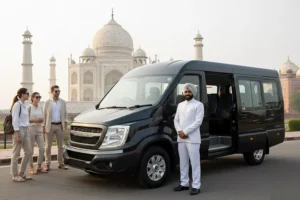
More regional flights now link smaller cities directly, saving you long road or train detours. Highways connecting tourist circuits have made road trips and private‑driver journeys far more comfortable than they used to be. Metros in cities like Delhi, Mumbai, Bengaluru and others help you skip traffic on some of the busiest routes.
What’s actually improved for travellers
- Upgraded and expanded airports in major cities and regional hubs, giving smoother entry and exit plus better domestic connections.
- Better highways and expressways linking popular routes, making long drives faster and more predictable.
- New and extended metro lines that let you move across big cities without constantly relying on cars.
- Strong digital tools for booking trains, buses, flights, stays and experiences from your phone.
- Massive adoption of digital payments like UPI, allowing you to pay even small vendors with a quick scan.
You still get the “real” side of travel—busy stations, crowded buses, delays sometimes—but compared to a decade ago, planning and moving around has become far less intimidating for first‑time visitors.
Reason 10: Affordability & Value for Money
Another big reason people keep putting India on their 2026 list is simple: value. Compared to many long‑haul destinations, your money stretches a lot further here, especially if you’re comfortable with local experiences instead of sticking only to luxury chains.
Between budget airlines, trains, buses, homestays, family‑run guest houses and excellent, inexpensive local food, you can build a pretty rich itinerary without blowing your savings. At the same time, if you do want to splurge—for a palace stay, luxury train, private guide or fine dining—you’ll find those options too.
Where your budget goes further
- Accommodation: Homestays, guest houses and small boutique hotels offer comfort, character and local insight at good prices.
- Food: Eating where locals eat—thali joints, street stalls, small cafes—gives you huge variety without shocking your wallet.
- Transport: Trains, buses and low‑cost airlines make covering big distances quite affordable compared to many other countries.
- Experiences: Walking tours, cooking classes, day trips and even safaris can be excellent value when you compare them to similar activities abroad.
You can travel India on a backpacker budget, a comfortable mid‑range budget or a luxury one. The key is to be honest about what comforts you need and where you’re happy to go more local and simple.
Reason 11: The Human Factor – Hospitality & Everyday Kindness
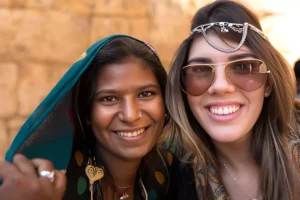
For all the charts and lists, the stories you hear from people who’ve actually been to India often come down to one thing: the way they were treated. Time and again, travellers talk about hospitality that felt personal rather than scripted—hosts who went out of their way to help, strangers who showed up at just the right moment, small gestures that stayed in their memory long after the trip ended.
You see it when someone insists you have a second helping at dinner, when a shopkeeper offers you chai without expecting a purchase, when a fellow passenger helps you find the right platform instead of just pointing and leaving. It’s not that every single interaction is perfect—it never is in any country—but there is a cultural habit of looking after guests that you feel quite quickly once you start moving around.
How to tap into that warmth
- Stay in at least one homestay or small family‑run place where you’re more than just a room number.
- Say yes, within your comfort zone, to small invitations for tea, snacks or simple celebrations.
- Travel a bit slower—spending three or four nights in one place makes real conversations more likely.
- Learn a few basic phrases in the local language; even simple greetings and thanks can open doors.
In a world where travel can sometimes feel rushed and transactional, India still offers plenty of moments where human connection quietly becomes the best part of your journey.
Sample Itineraries: Turning Reasons into a Real Trip
All these reasons are great, but how do you actually build a trip that doesn’t leave you exhausted? Here are a few example itineraries that mix culture, nature, food and rest in a way that feels manageable for most first‑time visitors.
Classic First‑Timer (10–12 Days): Golden Triangle Plus Safari
- Day 1–2: Delhi – Explore Old Delhi for food, Jama Masjid and Chandni Chowk; then New Delhi for India Gate, Qutub Minar or Humayun’s Tomb.
- Day 3: Agra – Taj Mahal at sunrise, Agra Fort by day, optional Mehtab Bagh for sunset views.
- Day 4–6: Jaipur – Amer Fort, City Palace, Hawa Mahal, local bazaars and maybe an evening cultural show or cooking class.
- Day 7–9: Ranthambore (or another reserve) – Two or three safaris, plus a walk up to the fort and some downtime at the lodge.
- Day 10–11: Back to Delhi, or a quick beach add‑on to Goa if your flights allow.
Spiritual & Wellness Focus (10–14 Days)
- Varanasi: Sunrise and sunset aarti, boat rides, old‑city lanes, time to sit on the ghats and just watch the river’s rhythm.
- Rishikesh & Haridwar: Yoga classes, Ganga aarti, river walks, short hikes, cafes overlooking the water.
- Kerala or Himalayan retreat: 3–5 days at an Ayurveda centre or wellness retreat, with massages, meditation and structured rest.
Offbeat & Nature‑Heavy (10–14 Days)
- Spiti Valley or Ladakh: High‑altitude road trip with monasteries, tiny villages, lakes and endless starry skies (best in season).
- Northeast India: A loop that might include Jorhat–Majuli, Kaziranga, and Meghalaya for river islands, rhinos and living root bridges.
- Kerala hills & coast: Tea gardens in Munnar, wildlife in Thekkady, and a few days in Kochi or by the sea.
Is India the Right Choice for You in 2026?
India is not a neutral destination. You don’t usually come home saying, “Yeah, it was fine.” You either fall hard for it or feel overwhelmed—or, quite often, both at different points in the same trip. That’s part of its power.
But if you’re looking for a place where your days are full of colour and contrast, where you can move from fort walls to forest tracks to beach shacks in one itinerary, and where the travel scene is actively leaning into more meaningful, sustainable, experience‑driven journeys, then 2026 is a genuinely good time to go.
Whether you come for the Taj, the tigers, the temples, the food or simply because you need a jolt of something different, India has a way of sticking with you. Years later, it’s often the place people still mention when they talk about “that trip that changed how I see the world.”
FAQ: Planning a Trip to India in 2026
Is India safe to visit right now?
India welcomes millions of domestic and international tourists every year, and recent years have seen a strong, steady return of travel. Like anywhere, you need common sense—keep your valuables secure, use licensed or app‑based transport, avoid poorly lit areas late at night and pay attention to local advice during festivals or big gatherings. If you stick to known routes and trusted operators, most trips are smooth.
What is the best time of year to travel to India?
Most first‑time visitors prefer the cooler, drier months from October to March. That window works well for city sightseeing, desert trips and many wildlife parks. If you’re focused on the Himalayas, summer and early autumn are usually ideal. For monsoon magic in places like Kerala and parts of the Northeast, June to September can be beautiful, as long as you’re comfortable with rain and possible delays.
How many days do I need for a good first trip?
If you’re flying from far away, 10–14 days is a comfortable minimum. That gives you enough time to explore two or three regions without feeling like you’re spending the whole trip in transit. Even 7–8 days can be rewarding if you keep your route focused—say, just Rajasthan, just Kerala, or a single spiritual circuit instead of trying to see the whole country at once.
Is India suitable for solo travellers, including solo women?
India has a long tradition of hosting solo backpackers, spiritual seekers and, increasingly, solo women and digital nomads. Many solo travellers choose well‑touristed routes, dress modestly, stay in social hostels or homestays, use ride‑hailing apps and book activities with reputable operators. With basic awareness and boundaries, lots of people report finding both safety and strong community on the road here.
What about food safety and health?
Food hygiene standards vary, but you can dramatically cut your risk by choosing busy places, eating freshly cooked food, and sticking to bottled or filtered water. It also helps to ease into street food instead of going all‑in on day one. Carry basic medicines for stomach upsets and dehydration; most travellers find a balance that lets them enjoy India’s legendary food without losing too much time to tummy trouble.
Is India expensive?
India can be one of the most budget‑friendly big trips you ever take, or an ultra‑luxury one, depending on how you design it. Homestays, local eateries, trains and buses keep costs low, while palace stays, luxury trains, private cars and fine‑dining experiences let you splurge when you want to. Many travellers end up in a sweet spot: mid‑range comfort with a few well‑chosen luxuries.
What are the top trending places in India for 2026?
Alongside icons like the Taj Mahal, Rajasthan’s forts and Kerala’s backwaters, 2026 is seeing a lot of buzz around Jorhat–Majuli and the wider Northeast, spiritual centres like Varanasi and Somnath, Himalayan regions such as Spiti and parts of Uttarakhand, and wellness‑focused stays in Kerala and Goa. These trends are driven by a mix of better connectivity, social media inspiration and a strong desire for slower, more meaningful travel.